Sunflower LGBT Rainbow Flag - Graphics & Crafts
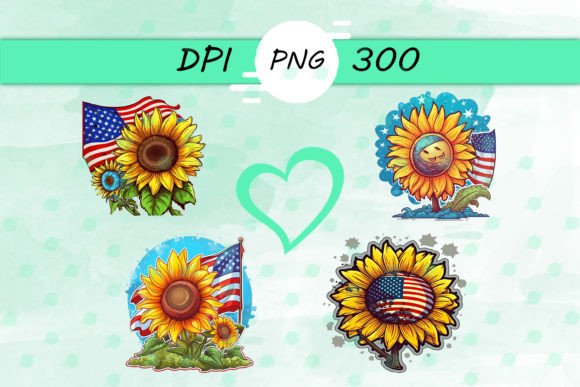
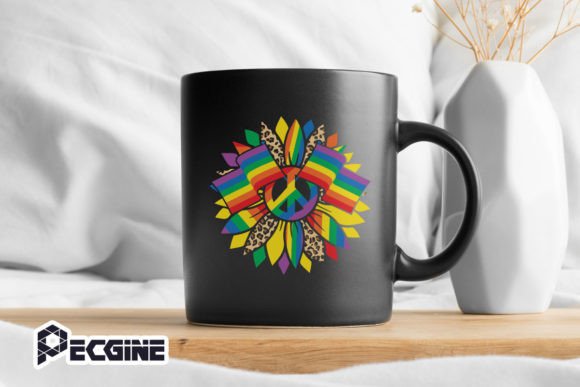
The Sunflower LGBT Rainbow Flag is a vibrant graphic design asset that brings a sense of joy, inclusivity, and creativity to any content project. Its bold colors and unique sunflower motif create an editorial mood that feels both modern and expressive, making it ideal for content niches focused on lifestyle, social causes, and creative expression.
First Impressions: A Bold Statement in Design
As a digital publisher, the first thing that stands out about the Sunflower LGBT Rainbow Flag is its ability to capture attention immediately. The combination of the rainbow spectrum with a sunflower center creates a visual that feels both familiar and fresh. It’s not just a flag—it’s a statement. This design asset can be used to evoke emotions, support messages, and add personality to any content piece.
Its aesthetic leans toward playful and artistic, but it also has enough sophistication to fit into professional or editorial settings. Whether you're designing for a blog, a newsletter, or a social media campaign, this flag offers a versatile look that can adapt to different styles and purposes.
Real Publishing Use Cases for Sunflower LGBT Rainbow Flag
This graphic design asset is incredibly useful across multiple publishing workflows. For example, when creating blog graphics, the Sunflower LGBT Rainbow Flag can serve as a featured image, a Pinterest pin, or an article header. Its high-quality SVG, PNG, DXF, and EPS files ensure it looks sharp on any platform, from websites to printables.
For content creators, this design can be a powerful tool in digital guides, lead magnets, and downloadable resources. As a Canva template, it adds a professional touch to any project, while its transparent background makes it easy to integrate into existing layouts. The pre-sized PNG files save time, allowing publishers to focus on content rather than formatting.
It also works well as a social media graphics element, especially for campaigns around diversity, inclusion, and LGBTQ+ advocacy. Its bright colors make it stand out in feeds, increasing the likelihood of engagement and shares.
Boosting Content Performance with Sunflower LGBT Rainbow Flag
Using the Sunflower LGBT Rainbow Flag can significantly enhance the performance of your content marketing efforts. Its strong visual identity helps build brand recognition, making your content more memorable and shareable. In a world where first impressions matter, this design asset ensures your work stands out from the crowd.
It also supports better visual hierarchy by providing a clear focal point. When used as a website header or a newsletter banner, it draws readers in and sets the tone for the content that follows. This leads to higher click-through rates and improved reader trust, as users perceive your site as more polished and professional.
For affiliate marketers and small business owners, this design asset can help create visually appealing content that aligns with your brand identity. Whether it's for a digital product, a printable design, or a media kit, the Sunflower LGBT Rainbow Flag adds value and credibility to your offerings.
Where Sunflower LGBT Rainbow Flag Shines
This design asset excels in environments where visual impact is key. Hero images, article thumbnails, and Pinterest pins benefit greatly from its bold and colorful presence. It also works well as an editorial accent, adding a pop of color to newsletters, blog posts, and social media previews.
For content upgrades and downloadable resources, the Sunflower LGBT Rainbow Flag can serve as a cover or a background element, making your materials more attractive and engaging. It's also a great choice for category visuals, helping readers quickly identify relevant content on your site.
When to Use Sunflower LGBT Rainbow Flag Carefully
While the Sunflower LGBT Rainbow Flag is a powerful design asset, it may not be suitable for every situation. In small mobile thumbnails, its intricate details might get lost, reducing its effectiveness. Similarly, in text-heavy blog images or low-contrast backgrounds, it could become distracting rather than supportive.
In serious professional niches or corporate content, this design may feel too playful or decorative. If your brand identity is minimal or highly structured, the Sunflower LGBT Rainbow Flag could clash with your overall aesthetic. Always consider the context and audience before using it in such cases.
Publisher Notes: Testing and Optimization
Before finalizing the use of the Sunflower LGBT Rainbow Flag in your projects, it's essential to test it thoroughly. Preview it on both desktop and mobile screens to ensure it looks good at all sizes. Check how it appears as a thumbnail and inside a real blog layout to assess its impact.
Test it with headline text to see how it complements your content. Evaluate its contrast and readability against different background colors. Try it in black and white to understand how it performs without color. Also, place it beside various font styles—serif, sans serif, script, handwritten, and display—to determine which combinations work best.
Review the file size for web performance, and compress images properly to maintain fast load times. Finally, confirm the commercial license before using it on monetized websites, affiliate pages, or paid content products. This ensures you’re compliant and protected in your creative marketplace endeavors.
Final Thoughts: A Versatile Asset for Creative Publishing
The Sunflower LGBT Rainbow Flag is more than just a graphic design asset—it's a tool that can elevate your editorial design, web design, and content marketing efforts. Whether you're a blogger, publisher, or digital marketer, this design offers a blend of creativity, clarity, and professionalism that can enhance your brand's visual identity.
With its availability in multiple file formats and transparent backgrounds, it’s a practical choice for anyone looking to improve their digital assets. From blog graphics to social media visuals, the Sunflower LGBT Rainbow Flag proves that thoughtful design can make a real difference in how your content is perceived and shared.